
7 Insight Creative Alternatives for Aging Artists
Last Updated: November 21, 2026
Quick Summary
An insight creative alternative for aging artists depends on what you need most: one-to-one coaching for a tailored plan, self-paced digital programs for low cost, community arts groups for connection, or clinical services for health concerns. Metal Goddess Studios offers artist-focused wellness coaching for musicians and creators over 40.
- No single option excels on all five criteria, so choose by the criteria that matter most now.
- One-to-one coaching is the most personalized option but requires weekly or biweekly time and higher cost.
- Self-paced digital programs are the most affordable and flexible, but offer no direct feedback.
- Community arts organizations often provide low or no cost social connection but rarely individualized guidance.
- The Creative Longevity Coaching Discovery Session is a 30-minute conversation to see if coaching fits.
Table of Contents
- Why Aging Artists Look for an Insight Creative Alternative
- What Creative Aging Support Should Actually Address
- How Insight Creative Compares With Other Options
- Metal Goddess Studios: Wellness Coaching Built for Artists Over 40
- Sustainable Creative Practice and Recovery Over Time
- Artist Wellness and Recovery: Choosing the Right Support
- Booking Your Discovery Call and Choosing Your Next Step
- Frequently Asked Questions
Why Aging Artists Look for an Insight Creative Alternative
Many musicians and creators over 40 reach a point where their usual routines stop working. Energy drops, confidence wavers, and the spark that once carried them through long rehearsals feels harder to find. Searching for an Insight Creative alternative for aging artists is often the first honest step toward asking what kind of support would actually help. Metal Goddess Studios serves musicians, artists, and creators over 40 who are asking this exact question.
The reasons people look elsewhere are rarely about one thing. Some want a more personal approach. Others need coaching that connects creative work with physical recovery, nutrition, and sustainable rhythms. A few simply want to compare what is available before committing. Each of these motives is reasonable, and each points to a different kind of support.
Below, we walk through what creative aging support should cover, how the main options differ, and how to choose with confidence.
What Creative Aging Support Should Actually Address
Good support for aging artists goes beyond generic self-help. It should speak to the realities of a long performing or creative career. A common mistake is choosing a program that focuses only on productivity, while the real problems involve burnout, self-doubt, and a body that no longer responds the way it used to.
Effective support usually covers four areas: creative identity, energy and recovery, boundaries, and a realistic plan for the next stage. Creative aging is a healthy phase of life, and the goal is a practice that lasts, not a return to the pace of your twenties. For more practical guidance on voice and creative coaching, read Creative Voice Coaching for Musicians. In practice, this means asking whether a coach understands both the creative work and the physical demands behind it.
When you evaluate options, check whether the approach addresses your specific circumstances. Ask how sessions are structured, whether there is room for your own priorities, and whether the resources are practical enough to use on ordinary days.
How Insight Creative Compares With Other Options
This section outlines the main categories of support aging artists consider and what each typically offers, so you can see where Insight Creative fits and where other options might serve you better.
When aging artists look for an alternative to Insight Creative, they are usually weighing four broad paths: one-to-one coaching, self-paced digital programs, community-based arts organizations, and therapeutic or clinical services. Each has a different structure, cost profile, and level of individualization.
One-to-one coaching is the most personalized option. You work directly with a coach who adapts sessions to your creative goals, physical realities, and schedule. This format suits artists who need accountability and a plan built around their specific barriers, whether that is fatigue, injury recovery, or a career pivot.
Self-paced digital programs include eBooks, workbooks, and online courses. They are the most affordable and flexible option, letting you work through material on your own schedule. The limitation is the lack of feedback and personalization; you must supply your own motivation and adapt general advice to your situation. The Rockstar's Blueprint bundle and the Reignite Your Creative Fire eBook are offered in this format.
Community-based arts organizations, such as local arts councils, senior centers, and nonprofit creative aging programs, often provide group classes, exhibitions, and social connection at low or no cost. They are excellent for reducing isolation and building a creative community, but they rarely offer the individualized wellness or career guidance that a professional or lifelong artist may need. Eligibility may depend on age or residency, and availability varies widely by location.
Therapeutic or clinical services include art therapy, physical therapy, and mental health counseling. These are appropriate when creative blocks are tied to clinical depression, anxiety, or a physical condition requiring medical oversight. They are typically covered by insurance or offered on a sliding scale, but they focus on health treatment rather than artistic development.
A practical way to compare these options is to rate each against five criteria: level of individualization, cost transparency, accessibility (remote vs. in-person), credentials of the provider, and whether the approach addresses both creative and physical wellbeing. Most artists find that no single option excels on all five; the right choice depends on which criteria matter most to you right now.
Watch out: Don't assume that a higher price guarantees a better fit. Many community programs are free, while some premium coaching packages may duplicate resources you already have.
The main support options aging artists weigh differ in structure, cost, and how far they adapt to the individual.
| Option | Best for | Key difference |
|---|---|---|
| One-to-one coaching | Artists needing accountability and a tailored plan | Most personalized; requires weekly or biweekly time and higher cost |
| Self-paced digital programs | Artists who work independently and want low cost | Most affordable and flexible; no direct feedback |
| Community arts organizations | Reducing isolation and building creative community | Low or no cost; rarely offers individualized wellness guidance |
| Therapeutic or clinical services | Creative blocks tied to clinical or physical conditions | Health treatment focus; often insurance-covered or sliding scale |
Metal Goddess Studios: Wellness Coaching Built for Artists Over 40
Metal Goddess Studios focuses on musicians, artists, and creators over 40 who want to sustain their creative journey. Our approach combines wellness strategies with creative professional development, using plant-based fuel, movement, and recovery to help you rebuild energy and consistency. We focus on sustainable rhythms rather than rigid programs.
For many readers, this is the most direct answer to the question of an Insight Creative alternative for aging artists. If you want support designed specifically for later-career creators, our options are a practical place to start.
Discovery Session, Rockstar Blueprint and Reignite Options
The Creative Longevity Coaching Discovery Session is a 30-minute conversation where we look at where you are now, what performing at your best looks like for you, and whether one-on-one coaching or the Rockstar Master Blueprint is the right fit. It is a low-pressure way to see if our approach suits you before committing to anything further.
The Rockstar's Blueprint eBook and eWorkbook bundle, priced at 39.00, is a self-paced option. The eBook covers plant-based fuel, hydration, movement, nervous system support, recovery, mindset, boundaries, and community. The printable, fillable eWorkbook provides guided prompts, trackers, and planning pages.
If you want a smaller first step, the Reignite Your Creative Fire eBook, priced at 4.95, is a seven-day challenge for creative late bloomers and artistic novices who want to remove roadblocks to pursuing their passion professionally.
Sustainable Creative Practice and Recovery Over Time
A sustainable creative practice is built on rhythm, not intensity. Recovery is part of that rhythm.
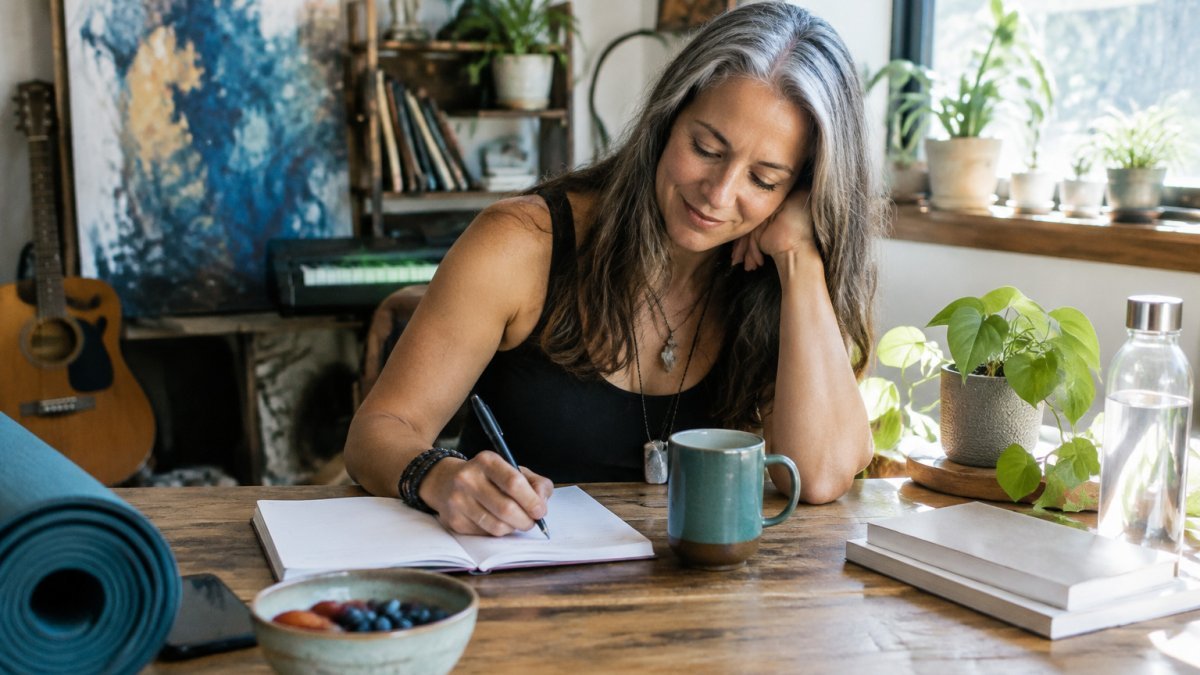
Start by mapping what a realistic week looks like. Include rehearsal or creative time, rest, movement, and meals. Then notice where energy drops and where setbacks tend to happen. Adjust the plan around those points rather than forcing a rigid schedule that you will abandon after a few weeks.
Artist Wellness and Recovery: Choosing the Right Support
Choosing support for artist wellness and recovery is not about finding the most comprehensive program; it is about matching the format to your current circumstances. This section provides a decision framework based on goals, format, accessibility, and level of individualized support.
Start by identifying your primary goal. If you are recovering from burnout or a physical setback, you likely need a program that integrates rest, nutrition, and movement with creative work. One-to-one coaching or a structured wellness program is usually the best fit here, because it can adapt to your recovery timeline.
Next, consider format and accessibility. Are you able to attend in-person sessions, or do you need remote options? Do you prefer live interaction or independent study? Many aging artists face mobility or scheduling constraints, so remote coaching and digital programs offer flexibility that local classes may not. However, in-person community programs provide social contact that digital options cannot replicate. A common pattern is to combine a low-cost community group for social connection with a self-paced program for skill-building.
Evaluate the level of individualized support you need. Self-paced eBooks and workbooks are cost-effective but require self-direction. Group programs offer peer support but limited personal attention. One-to-one coaching provides the highest level of customization but at a higher cost. Be honest about how much structure you need to stay consistent; if you have struggled with self-guided programs in the past, a coached or group format may be worth the extra investment.
Check credentials and scope. For wellness-related support, look for providers with training in areas such as nutrition, movement, or mental health. For creative development, look for experience working with artists at your career stage. Do not assume that a general life coach understands the specific physical and emotional demands of a long creative career.
Finally, consider cost and eligibility. Community programs may have age or residency requirements and low or no fees. Digital programs range from a few dollars to several hundred. Coaching is typically the most expensive. Ask about refund policies, trial sessions, and whether payment plans are available.
Watch out: Avoid choosing a program solely because it is designed for 'older adults.' If you are a professional or lifelong artist, you may find that general senior programs lack the creative depth you need, while artist-specific coaching may better address your artistic identity and career stage.
Booking Your Discovery Call and Choosing Your Next Step
If you are ready to take a practical step, the Creative Longevity Coaching Discovery Session is the most direct starting point. It offers a clear first conversation about your blocks, your burnout patterns, and whether our approach fits what you need. You can also add the session to your cart alongside other items if you are purchasing more than one product.
If you prefer to explore on your own first, the Rockstar's Blueprint bundle gives you structured guidance you can work through at your own pace. Whichever you choose, the goal is the same: a creative practice that lasts into the next stage of your career. To learn how to schedule one, see how to book a creative wellness strategy session.
Frequently Asked Questions
What is Insight Creative, and who is its coaching for?
Insight Creative is one of the coaching options artists may look at when they want support for their creative work. Readers over 40 should check whether the program addresses the physical, energy and confidence concerns that often come with a long performing or creative career, since not every general creative coach covers those areas. Compare what each option includes before deciding.
What alternatives to Insight Creative support artists over 40?
Metal Goddess Studios is one alternative for musicians, artists and creators over 40. It combines wellness strategies such as plant-based fuel, movement and recovery with professional development. Its Creative Longevity Coaching Discovery Session is a 30-minute call priced at 0.00, the Reignite Your Creative Fire eBook is 4.95, and The Rockstar's Blueprint eBook and eWorkbook bundle is 39.00. Choose based on whether you need a conversation, self-paced material or a fuller plan.
How can wellness coaching help aging artists stay creative?
Wellness coaching helps aging artists rebuild the energy and consistency their creative work depends on. Instead of a rigid program, it focuses on sustainable rhythms, recovery after setbacks and healthy boundaries. For performers who feel burned out or have lost confidence, combining mindset support with practical habits around movement and nutrition can make a steady practice easier to keep.
What should artists look for in a creative coach?
Look for a coach who has worked with artists at your career stage, not only with beginners. Check whether the program covers both creative confidence and physical wellbeing, and whether it offers practical tools you can use on ordinary days. Ask about the time commitment, the cost and what happens after the first session. A short discovery call is a low-risk way to judge whether the approach fits your situation.
