
Why Artists Need Wellness Plans to Last Decades
Quick Summary
Artists need wellness plans to protect their energy for a long career before burnout builds. Burnout usually creeps in through skipped meals, poor sleep, and nonstop creative work. A written plan of wellness plans covering food, movement, sleep, and recovery helps you spot early signs and respond with specific actions.
- Burnout rarely arrives as one dramatic event; it builds slowly over time.
- Start your plan before you feel depleted, since rebuilding takes far longer than preventing the problem.
- Early warning signs include waking tired, losing interest, and relying on caffeine, alcohol, or sugar.
- Keep a minimum routine version for heavy weeks so the habit survives tours and deadlines.
- Add artist-specific risks like repetitive strain, hearing fatigue, and voice strain to your plan.
Table of Contents
- Why Artists Need Wellness Plans Before Burnout Hits
- What Burnout Looks Like in Musicians and Creators Over 40
- What a Wellness Plan for Artists Actually Contains
- A Practical Template You Can Fill In Today
- Building an Artist Self-Care Routine That Survives Tours and Deadlines
- Artist-Specific Risks, Boundaries, and When to Get Professional Support
- Start Your First Week of Rhythms This Week
- Frequently Asked Questions
Why Artists Need Wellness Plans Before Burnout Hits
Last Updated: November 10, 2026
Most artists build their careers around output: the next album, the next tour, the next deadline. A wellness plan for artists flips that order.
Here is the core idea: burnout rarely arrives as one dramatic event. It builds slowly through skipped meals, poor sleep, long travel days, and creative work that never stops.
Watch out: waiting until you feel depleted to start a plan is the most common mistake. By then, rebuilding takes far longer than preventing the problem would have.
The rest of this article shows you what a wellness plan contains, what burnout looks like at 40 and beyond, and how to build a routine that holds up on tour and during crunch time.
What Burnout Looks Like in Musicians and Creators Over 40
Burnout in creative work often looks like ordinary tiredness at first. You might keep performing or producing while feeling flat, or find that a practice session that used to energize you now feels like a chore.
Common early signs include:
- Waking up tired even after a full night's sleep
- Losing interest in the work you once loved
- Second-guessing your ability more often than usual
- Relying on caffeine, alcohol, or sugar to get through a day
- Pulling away from friends, bandmates, and collaborators
Many artists over 40 also carry physical wear from years of touring, long hours on stage, and repetitive instrument work.
Watch out: do not treat these signs as personal failure. They are signals that your current rhythm needs changing.
The early signs of burnout are easier to spot when you see them side by side.
| Sign | What it can look like | Response |
|---|---|---|
| Persistent tiredness | Waking tired after a full night's sleep | Track sleep and adjust rhythm |
| Loss of interest | Work you once loved now feels flat | Note it and review your plan |
| Self-doubt | Second-guessing your ability more often | Treat as a signal, not failure |
| Reliance on stimulants | Caffeine, alcohol or sugar to get through the day | Look for steadier energy habits |
| Social pulling away | Withdrawing from friends and collaborators | Reconnect with one trusted person |
What a Wellness Plan for Artists Actually Contains
A useful wellness plan is short, specific, and easy to revisit. It should cover the areas that most affect your daily capacity: food and fluids, movement, sleep, and recovery. It should also name a few realistic actions for each area.
Nutrition and Hydration on the Road
Touring disrupts meals more than almost anything else. Long drives, late shows, and limited kitchens push many artists toward fast food and irregular eating. A plan helps you choose what you can control.
Try these simple habits:
- Pack shelf-stable snacks such as nuts, fruit, and whole-grain crackers
- Carry a refillable bottle and set a daily refill target
- Choose one plant-based meal per day when restaurant options are limited
- Eat something before your set instead of relying on coffee alone
Hydration matters most on show days. Sipping water across the day works better than trying to catch up in one large amount just before going on stage.
Movement, Sleep, and Recovery
Movement does not need to mean intense workouts. Short, low-impact sessions often serve artists better, especially when hands, back, or joints feel sore.
- Spend 10 minutes stretching before or after load-in
- Walk between venues or around the block after soundcheck
- Schedule at least one full rest day per week when possible
Sleep is where most recovery happens. Keep a consistent bedtime even when your schedule shifts, and limit screens in the hour before bed (the NHS). Recovery days, quiet time, and time away from the instrument all give your nervous system room to reset.
A Practical Template You Can Fill In Today
The version below is built for working artists: it includes prompts for the risks that general wellness plans ignore, a simple way to measure progress, and a review step so the plan does not go stale.
Copy this into a notebook or a notes app and fill it in. Keep each answer short enough to read in under a minute.
My Artist Wellness Plan
Energy goal for this month: ____________________
Nutrition: I will eat ______ meals per day and drink ______ glasses of water. On show days, my pre-set snack is ____________.
Movement: I will move my body ______ times per week for ______ minutes.
Fill in the blanks with numbers you can actually hit. A plan with three realistic goals beats one with ten you abandon by Tuesday.
Making the Template Artist-Specific
General wellness templates ask about meals and steps. An artist's plan needs to name the physical and emotional demands of the work. Add these prompts to the template above:
- Repetitive strain: Which body areas take the most load (hands, wrists, shoulders, back, voice)? What is your daily warm-up and cool-down for those areas?
- Hearing health: Do you use earplugs at rehearsals and shows? Where are they kept so you do not forget them?
- Voice health: If you sing or speak on stage, what is your hydration and vocal rest routine on show days?
- Performance anxiety: What is your pre-show routine to settle nerves, and who can you talk to if anxiety builds?
- Irregular income: What is your minimum monthly income floor, and how many gigs does that require? What is your rule for turning down work that would break your recovery?
These prompts are the difference between a generic self-care list and a plan that fits a working artist's life.
Measuring Progress and Revising the Plan
A plan you never check is just a wish list. Set a weekly five-minute check-in and rate each item from 1 to 5: sleep quality, stress level, energy, pain, and creative focus. Those four-week patterns can show which small routines are worth keeping steady, and thewellbeingshop.com offers a natural next step for thinking about how consistency supports wellbeing.
If sleep scores stay low, adjust your bedtime target rather than adding more goals. If pain scores rise, add a recovery block or book a check with a physiotherapist. If creative focus drops while stress rises, cut one commitment before adding a new habit.
Watch out: revising the plan by adding more goals is the most common mistake. The point of a review is to remove what is not working, not to pile on more.
Building an Artist Self-Care Routine That Survives Tours and Deadlines
Routines fail when they depend on perfect conditions. A routine that survives tours needs fallback options for bad days, cancelled meals, and early call times.
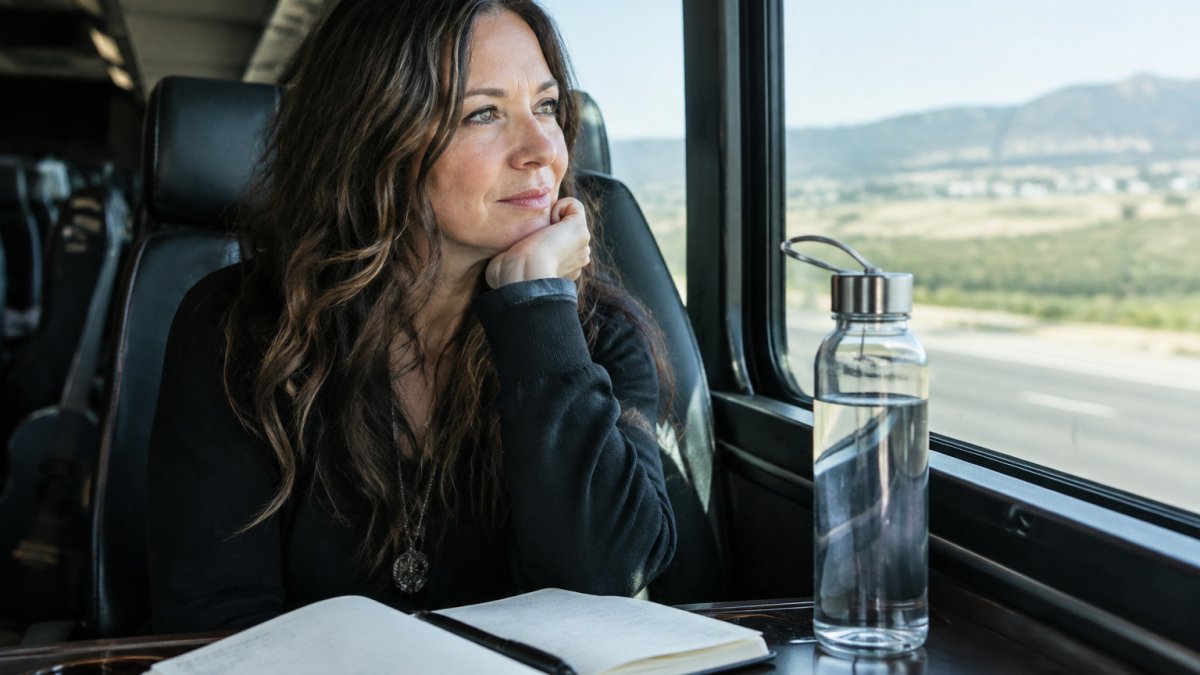
Build your routine around three tiers:
- Minimum version: 5 minutes of stretching, one glass of water, and an earlier bedtime
- Standard version: 20 minutes of movement, two balanced meals, and a planned wind-down
- Full version: Everything above plus a rest block with no obligations
Choose your minimum version before a busy stretch starts. On heavy weeks, you drop to the minimum rather than abandoning the routine entirely. That small consistency keeps the habit alive.
Watch out: many artists plan a full routine for a deadline week and then feel like failures when it collapses. A minimum version is not a shortcut. It is what keeps you going.
Artist-Specific Risks, Boundaries, and When to Get Professional Support
General wellness advice often misses the risks that come with artistic work. Artists face physical wear from repetitive practice, hearing and voice strain, performance anxiety, irregular income, and public feedback. A wellness plan that does not name these risks will not protect you from them.
Physical Risks: Repetitive Strain and Hearing
Musicians and visual artists load the same body areas day after day. Instrumentalists often feel strain in hands, wrists, shoulders, and back. Singers and actors load the voice. DJs and live sound engineers face hearing fatigue. A plan should include a short daily warm-up and cool-down for the areas you load most, and earplugs should live in your gig bag so they are always available.
Watch out: ignoring mild pain for weeks is how small strains become long recoveries. If pain lasts more than a few days, treat it as a signal to change your routine, not push through.
Performance Anxiety and Mental Load
Performance anxiety is common and treatable. A pre-show routine, breathing, a short walk, a fixed warm-up, helps many artists settle nerves. Public feedback and irregular income add a mental load that general wellness advice rarely addresses. Set boundaries before you need them:
- Decide how many shows or sessions you will accept per month
- Protect at least one day each week with no work obligations
- Name one trusted person you can talk to when pressure builds
When Self-Care Is Not Enough
A wellness plan supports care but does not replace it. If low mood, persistent anxiety, loss of interest, or physical pain lasts for weeks, talk with a doctor or licensed mental health professional. Clear signs to seek support include: symptoms that do not improve with rest, sleep problems that persist despite a consistent routine, and anxiety that interferes with performing or daily life. You can learn how to book a creative wellness strategy session when you are ready.
Metal Goddess Studios offers coaching and planning tools that you can use alongside professional care.
Start Your First Week of Rhythms This Week
Pick one action from each area: one meal habit, one movement block, one sleep target, and one recovery step. Write them on the template above and put it where you will see it daily.
Your goal this week is not perfection. It is to notice what helps and what gets in the way. Review your plan at the end of seven days, keep what worked, and adjust the rest.
Ready to build a plan that fits your schedule? Start with the Rockstar's Blueprint eBook and eWorkbook bundle from Metal Goddess Studios. It includes guided prompts, trackers, and planning pages that help you turn these ideas into daily rhythms.
Frequently Asked Questions
Why do artists need a wellness plan?
Artists rely on their bodies, attention and nerves to do their work, and those resources wear down slowly until a deadline, tour or setback exposes the gap. A wellness plan writes down the basics you would otherwise improvise: how you eat on the road, when you move, how you sleep and how you recover after a demanding stretch. Having these decided in advance means you spend less energy negotiating with yourself when you are already tired. It also gives you a clear signal when something is off, so you can adjust early instead of waiting for a crash.
What should an artist's wellness plan include?
A useful plan covers a small number of practical areas: daily nutrition and hydration, movement you will actually repeat, sleep and wind-down habits, recovery time after intense work, and a short mindset or boundary section. Keep each item concrete, such as a walk after rehearsal or a fixed phone-free hour before bed. Add a section for how the plan changes during touring, deadlines or low-income periods, because those are the moments most plans fail. Review it every few months and revise what did not work.
How can artists balance creative work and self-care?
Treat self-care as part of the work schedule rather than something you do with leftover time. Block recovery and movement into your calendar the same way you block rehearsals or studio sessions. Choose a minimum version of each habit for busy weeks, such as a ten-minute stretch instead of a full workout. Setting clear boundaries around email, social media and unpaid obligations protects the energy that creative work depends on.
How can musicians stay healthy while touring?
Touring disrupts meals, sleep and movement all at once, so plan for those three first. Pack shelf-stable plant foods and carry a refillable bottle so hydration does not depend on venue catering. Schedule a short walk or stretch on travel days and protect a consistent sleep window even when the schedule shifts. Keep your plan's minimum version ready for days when you cannot manage more than one or two habits.
