
Is Creative Coaching Worth It? A 2026 Guide
Table of Contents
- What Creative Coaching Actually Does
- Creative Coaching Cost: Pricing and What You Get
- Artist Accountability Group vs. One-to-One Coaching
- Creative Coaching Results: What to Expect and When
- How to Choose a Creative Coach
- Alternatives to Creative Coaching
- Is Creative Coaching Worth It for You?
- Frequently Asked Questions
Last Updated: October 12, 2026
What Creative Coaching Actually Does
Creative coaching is a personalized development process where a trained coach works with artists, musicians, writers, and other creative professionals to overcome obstacles, clarify goals, and build sustainable creative practices. Unlike general life coaching, it addresses the unique challenges creative people face: imposter syndrome, creative blocks, fear of failure, and the struggle to maintain momentum over a long career.
The coach-client relationship centers on accountability, reflection, and action planning. Your coach helps you identify what's holding you back, self-doubt, burnout, lack of direction, or difficulty balancing creative work with life demands, and moves you from feeling stuck to taking concrete steps forward.
Metal Goddess Studios approaches creative coaching with a specific focus on creatives over 40 who've hit a wall. Mid-career and later-career artists face different challenges than beginners: not whether you're talented enough, but energy, consistency, and whether your spark is gone for good. Creative coaching addresses that intersection of creative goals and sustainable living.
Creative Coaching Cost: Pricing and What You Get
Coaching costs vary widely by format, duration, and coach experience. One-to-one coaching runs higher than group programs, and longer commitments usually offer better value per session.
Here's what you're looking at:
One-to-One Coaching: Metal Goddess Studios offers a 30-minute discovery session at no cost to evaluate fit, followed by structured coaching programs like the Metal Mind Reset Program at $295 for a 6-month commitment with six one-on-one sessions, personalized resources, and ongoing community access.

Group Programs: Metal Goddess Studios's Metal Mind program, a 6-week intensive for overcoming imposter syndrome, costs $597 and includes weekly live group calls, workbooks, lifetime access to recordings, and private community support.
Self-Guided Resources: eBooks and workbooks offer the lowest entry point, typically $5-$50. The Rockstar's Blueprint eBook and eWorkbook bundle from Metal Goddess Studios costs $39 and provides a comprehensive framework you can work through independently.
| Option | Investment | Duration | Format | Best For |
|---|---|---|---|---|
| Discovery Session | Free | 30 minutes | One-on-one call | Evaluating fit before committing |
| One-to-One Coaching | $295-$600+ | 6 months | Monthly sessions + resources | Personalized, intensive support |
| Group Intensive | $597 | 6 weeks | Weekly group calls + workbooks | Community accountability + affordability |
| Self-Guided eBook | $39 | Self-paced | Workbook + exercises | Budget-conscious, independent learners |
| Quick-Start eBook | $4.95 | 7 days | Challenge format | Testing before deeper commitment |
The question isn't just what you pay, it's what you get.
Artist Accountability Group vs. One-to-One Coaching
These formats serve different needs; the right choice depends on your personality, budget, and goals.
One-to-One Coaching gives you personalized attention. Your coach learns your specific blocks, goals, circumstances, and patterns, then tailors strategies, feedback, and exercises directly to you. The downside: it's more expensive, and you're relying on one person's perspective.
Accountability Groups provide community, shared experience, and lower cost. You're surrounded by people facing similar challenges, and the group dynamic itself becomes motivating, you show up because you've committed to others. Groups often include structured check-ins, shared challenges, and peer feedback. The tradeoff: less personalization, and the group's pace may not match your needs.
For creatives over 40 dealing with burnout and self-doubt, one-to-one coaching addresses your specific situation, why you're burned out, what's driving your self-doubt, and what sustainable rhythms fit your life stage. Accountability groups work well if you're motivated by community and need lower-cost support, but they work best alongside individual work, not as a replacement.
Metal Goddess Studios's Metal Mind program blends both approaches: you get weekly group calls for community and shared learning, but the program includes personalized workbooks and access to a coach for questions. This hybrid model gives you accountability and connection without sacrificing personalization.

Creative Coaching Results: What to Expect and When
Creative coaching isn't a magic fix, and it doesn't work instantly.
Most people notice shifts within 2-4 weeks: more clarity about what's blocking you, at least one concrete action you wouldn't have taken before, and feeling less alone.
By 6-8 weeks, many clients report measurable progress: new creative habits, more consistent showing up, a specific block overcome, or a breakthrough conversation that shifted how they see their work.
By 3-6 months, the real transformation shows up: rebuilt confidence in your creative voice, sustainable rhythms that protect both your art and your health, and a creative future you're actively building rather than watching slip away. You reset after setbacks instead of spiraling, and you've reconnected with why you create.
What you won't get: instant motivation, someone else doing the work, or a guaranteed breakthrough. Coaching requires you to show up, reflect, and act. The coach creates structure and asks hard questions, but you're the one who changes.
Timelines depend on what you're working on: overcoming imposter syndrome takes longer than clarifying a goal, and rebuilding energy after burnout takes longer than solving a single block. Be honest about your expectations and choose a program length that matches your actual need.
How to Choose a Creative Coach
Not all coaches are created equal. Here's how to evaluate one.
Look for specific experience with your creative form. A coach who's worked with musicians should understand performance anxiety, physical demands, and the rhythms of musical practice; one who's worked with visual artists should understand their distinct challenges.
Check their credentials. Legitimate coaches hold certifications from recognized organizations like ICF (International Coach Federation), AFPA (American Fitness Professionals and Associates), or equivalent, proof of formal training in coaching methodology, ethics, and outcomes.
Ask about their approach. Do they focus on mindset, accountability, goal-setting, habits, or wellness integration? Metal Goddess Studios coaches integrate wellness strategies, plant-based nutrition, movement, and recovery practices alongside mindset work, because creative sustainability requires both mental and physical support.
Request a discovery conversation. Any reputable coach should offer a free or low-cost initial call. Use it to assess: Do they listen or just talk? Do they ask good questions? Do they understand your specific challenges? Does the conversation feel helpful? Trust your gut.
Ask about outcomes and timelines. Coaches who articulate realistic timelines and measurable outcomes are more credible than those promising vague transformation.
Creative Longevity Coaching Discovery Session →
Check references or reviews. Ask for testimonials from creatives in your field and look for specific outcomes, not just "she was great." Real feedback tells you what actually happened, not what the coach claims will happen.
Alternatives to Creative Coaching
Creative coaching isn't the only path forward. Depending on what you're dealing with, other approaches might serve you better or work alongside it.
Self-directed learning through books, courses, and resources gives you structure without the personalized relationship, at your own pace and lower upfront cost. Metal Goddess Studios's Rockstar's Blueprint eBook and eWorkbook bundle ($39) or the Reignite Your Creative Fire 7-day challenge ($4.95) let you test approaches affordably.
Therapy or counseling addresses deeper psychological issues, trauma, anxiety, depression, unprocessed grief, that might underlie your creative blocks. If your struggle is rooted in mental health, therapy is often more appropriate than coaching. Many creatives benefit from both: therapy addresses the roots, coaching the creative application.
Peer accountability groups (writing groups, artist collectives, creative circles) provide community and shared accountability without the coach's expertise. They work well for momentum and feeling less isolated, but don't offer expert guidance on overcoming blocks or building sustainable practices.
Mentorship from an experienced creative in your field offers perspective and wisdom from lived experience. The challenge: finding a mentor with time to invest in you. Mentorship is often informal and harder to access than coaching.
Workshops and intensives give you focused skill-building or breakthrough experiences in a concentrated timeframe. They work well for specific problems (performance anxiety, creative blocks, goal clarity) but typically lack ongoing support.
The best approach often combines methods: a self-guided program first to clarify what you need, then coaching for deeper work, plus a peer accountability group for ongoing connection.
Is Creative Coaching Worth It for You?
The real question isn't whether creative coaching works in general, it's whether it's worth it for your situation right now.
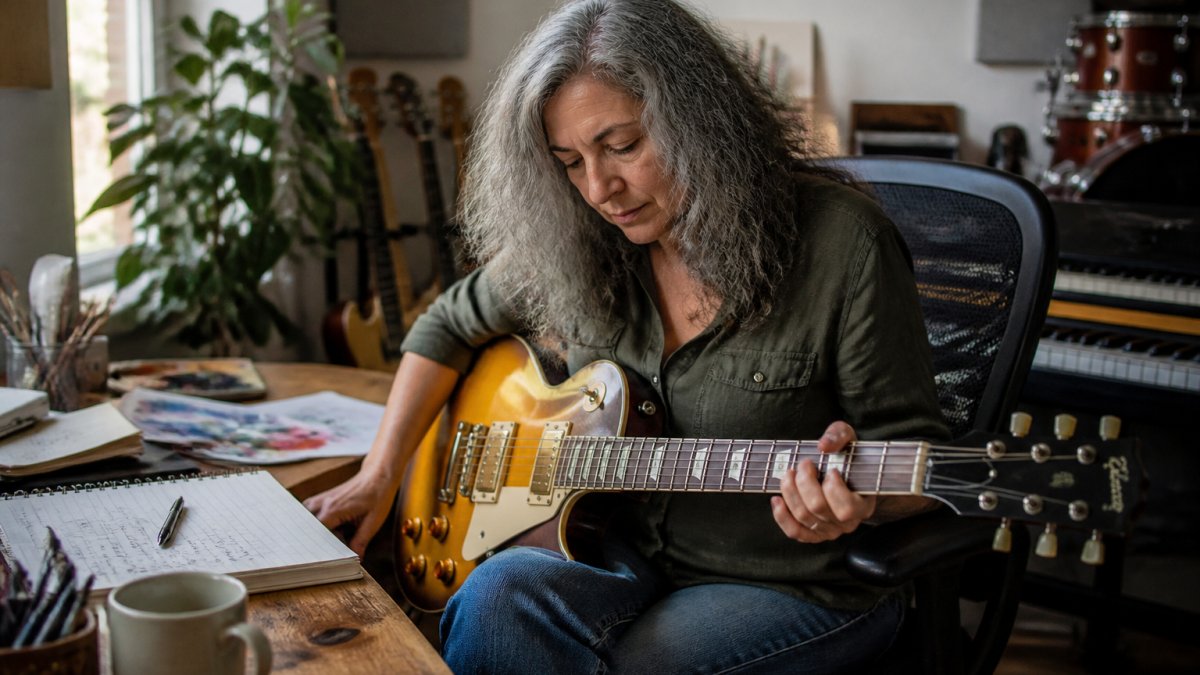
Creative coaching is worth it if you're experiencing any of these:
You've hit a wall and can't move forward on your own. You've tried motivation, discipline, and willpower, and nothing's shifting. You need someone outside your head to see what's actually blocking you.
You're struggling with self-doubt or imposter syndrome that keeps you from sharing your work or pursuing opportunities.
You're burned out and running on fumes. You know you're capable of more, but your energy is depleted, and you need sustainable rhythms that protect both your art and your health.
You're over 40 and navigating a later-stage creative career: maintaining physical and mental health while staying creatively vital, rebuilding confidence after setbacks, and integrating wellness into your practice.
You've had success before but lost your way, and you want to reclaim the confident, consistent, creatively connected version of yourself.
Creative coaching is probably not worth it if you want a quick fix or aren't willing to do the inner work.
It's also not necessary if you're thriving creatively and just need a minor adjustment, sometimes a book, workshop, or peer conversation is enough.
The ROI question: Will coaching pay for itself? Not always in direct financial terms.
Metal Goddess Studios's approach to creative coaching is built for this question.
The decision comes down to this: Are you stuck enough to need expert help? Do you have the time and willingness to do the work? Can you invest the money?
Creative coaching works best when you're ready for it, when you're tired of struggling alone and committed to changing your situation. Start with a free Creative Longevity Coaching Discovery Session to explore whether one-to-one coaching or our Metal Mind intensive program aligns with where you are right now.

Frequently Asked Questions
What is creative coaching, and how does it work?
Creative coaching is a personalized partnership between you and a coach who specializes in supporting artists, musicians, and creators through creative blocks, self-doubt, and burnout. Sessions typically happen one-on-one via video call, where you explore what's holding you back, whether that's imposter syndrome, fear of failure, or loss of motivation, and build actionable strategies to move forward. A coach-client relationship focuses on your specific goals and creative practice, helping you develop confidence and sustainable habits that protect both your art and your wellbeing.
How much does creative coaching cost, and is it worth the investment?
Creative coaching pricing varies by format and duration. Discovery sessions start at no cost, while comprehensive programs range from $39 for self-guided resources to $597 for intensive 6-week group courses, or $295 for structured 6-month one-on-one coaching. Whether it's worth it depends on your specific situation: if you're struggling with self-doubt, burnout, or creative blocks that are actively preventing you from creating or earning, coaching can lead to renewed momentum and clarity. Many creatives over 40 find the investment valuable through restored productivity and confidence.
How long does it take to see results from creative coaching?
Shifts in mindset and motivation can be experienced within the first few weeks of coaching, though deeper transformation typically unfolds over time. Results can include reduced self-doubt, clearer goal-setting, and renewed energy for your creative practice. Longer-term results, like sustained habit change, breakthrough projects, or career momentum, build progressively as you apply what you're learning. The timeline depends on your starting point, how consistently you engage with the process, and whether you're addressing specific blocks like imposter syndrome or broader burnout and energy depletion.
Should I choose a group accountability program or one-on-one coaching?
Group coaching and accountability programs offer community support, lower cost, and shared learning, ideal if you thrive with peer connection and structured group energy. One-on-one coaching provides personalized attention, deeper exploration of your unique blocks, and coaching tailored specifically to your creative practice and life stage. For creatives over 40 managing complex burnout or seeking targeted breakthrough work, one-on-one provides focused support. Group formats work well if you want ongoing community, affordability, and motivation from other artists on a similar journey.
How do I know if a creative coach is qualified and right for me?
Look for coaches with formal training in life or health coaching, and experience working with creative professionals. A good fit also means the coach understands your specific challenges: whether that's creative burnout, self-doubt, or the need to integrate wellness and creative practice at your life stage. Many qualified coaches offer free discovery calls, which is your chance to ask about their background, approach, and whether they've worked with creators like you. Trust your instinct, the coach-client relationship thrives on genuine connection and shared understanding.