
Does Incense Really Boost Creative Focus and Inspiration?
Last Updated: November 24, 2026
Quick Summary
Incense for creative focus works through routine and environment, not a hidden brain boost: it anchors a repeatable ritual, signals your brain that work is starting, and adds a sensory cue during long sessions. Match citrus to brainstorming, rosemary-style scents to editing, and sandalwood to deep work, and always ventilate the room.
- Citrus scents suit brainstorming and first drafts, rosemary-style scents suit editing and admin, and sandalwood suits deep sessions.
- Sandalwood incense sticks are hand-rolled in Nepal and each stick burns for roughly 45 to 60 minutes.
- Crack a window and keep the stick a metre or so from your face to avoid headaches.
- Test one scent for one task type over two weeks, changing one variable at a time.
- If you have asthma or fragrance sensitivity, start with a diffuser or wax warmer instead.
Table of Contents
- Does incense really boost creative focus and inspiration?
- How aroma affects mood, attention, and imagination
- The best incense for focus: citrus, rosemary, and sandalwood
- Sandalwood incense for grounding long studio sessions
- Rosemary incense for alert, clear-headed work
- Using incense for focus and productivity without the smoke problem
- Building a repeatable scent ritual for your creative practice
- Choosing your first incense for creative focus
- Frequently Asked Questions
Does incense really boost creative focus and inspiration?
Incense does not chemically force creativity, but it can support creative focus and inspiration by anchoring a repeatable ritual, signalling your brain that work is starting, and adding a sensory cue during long sessions. At Metal Goddess Studios, we treat scent as one small lever in a wider practice of sustainable rhythms, not a magic switch.
Here is the honest version most guides skip. Aroma can shape mood and alertness in subtle ways, and mood shapes how willing you are to sit with an unfinished idea. That is the real mechanism: incense for creative focus works through routine and environment, not through some hidden brain boost. Below, we break down which scents suit which kind of work, how to use them without the smoke problem, and how to build a scent ritual you will actually keep.
How aroma affects mood, attention, and imagination
Scent travels a short, direct path to the brain's emotional centres, which is why a familiar fragrance can shift how a room feels before you have consciously noticed it. Aromatherapy is the practice of using plant-derived scents to influence mood and calm, and it is best understood as a supporting cue rather than a treatment.
What the evidence supports is modest and worth stating plainly. Many people report feeling calmer or more alert with certain scents, and small studies on rosemary and citrus have looked at attention and mood, though results vary and sample sizes are often tiny. According to the National Center for Complementary and Integrative Health on aromatherapy, the science around essential oils and mood is still developing, so treat scent as one input among many.
For creative work, the practical takeaway is this: aroma changes the feel of your workspace, and a workspace that feels intentional is easier to return to. That is where the real value sits.
The best incense for focus: citrus, rosemary, and sandalwood
The best incense for focus depends on the kind of attention you need. Citrus-forward scents suit bright, idea-generating work, rosemary-style scents suit clear-headed problem solving, and sandalwood suits long, grounded sessions. Match the scent to the task, not to a generic "focus" label.
Here is how we would sort the three main profiles:
- Citrus (lemongrass, orange, bergamot): light and lifting, good for brainstorming and first drafts when you want energy without heaviness.
- Rosemary and juniper: herbal and clean, a fit for editing, admin, and tasks that need alertness and clear thinking.
- Sandalwood: warm and grounding, best for deep, extended sessions where you want to stay in one headspace for an hour or more.
If you want a citrus-style option, our lemongrass incense sticks come in a 100-count set of ten packs, which suits daily use. For a rosemary-like, clear-headed scent, the juniper incense sticks are a natural fit. Both are simple ways to test a profile before committing to a larger ritual.
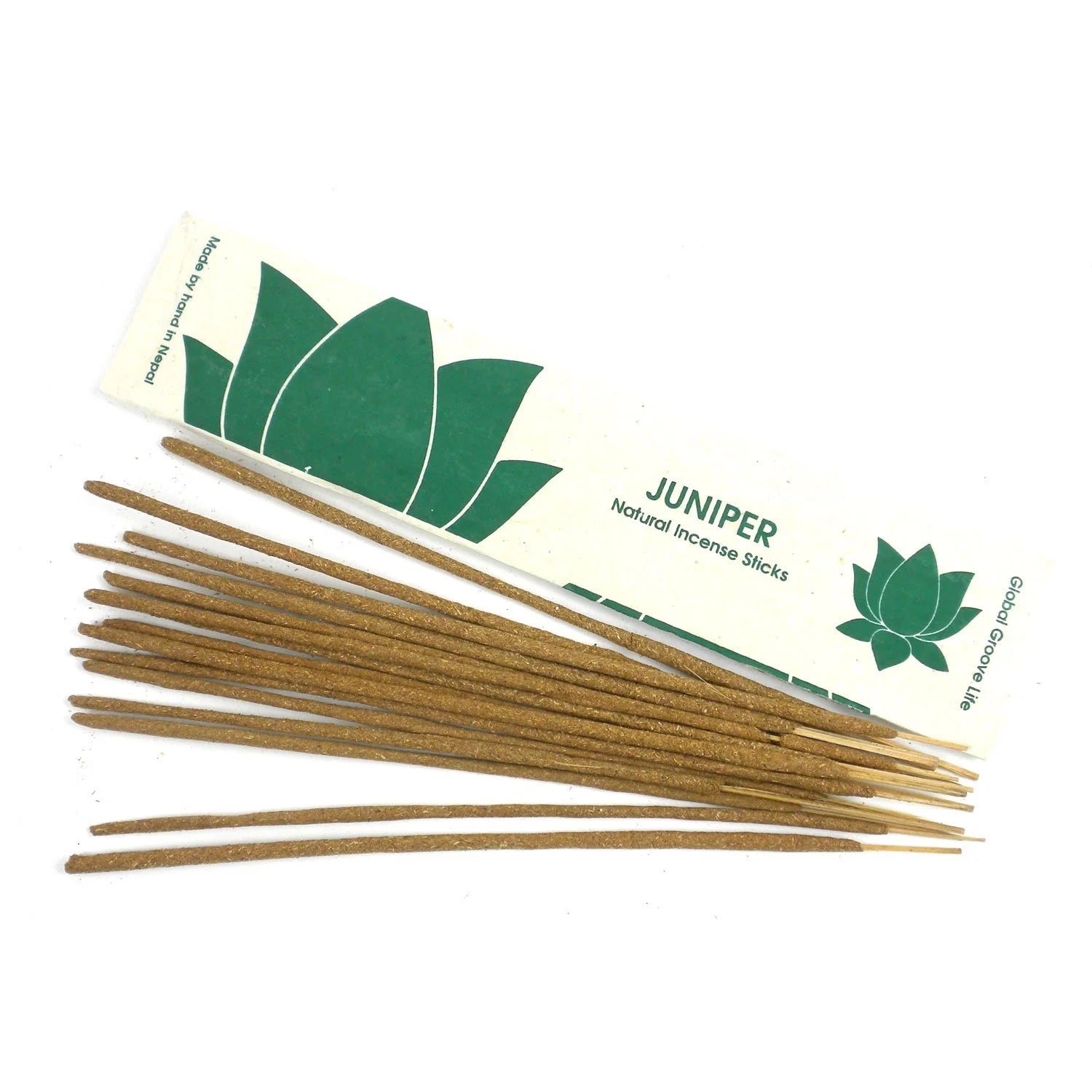
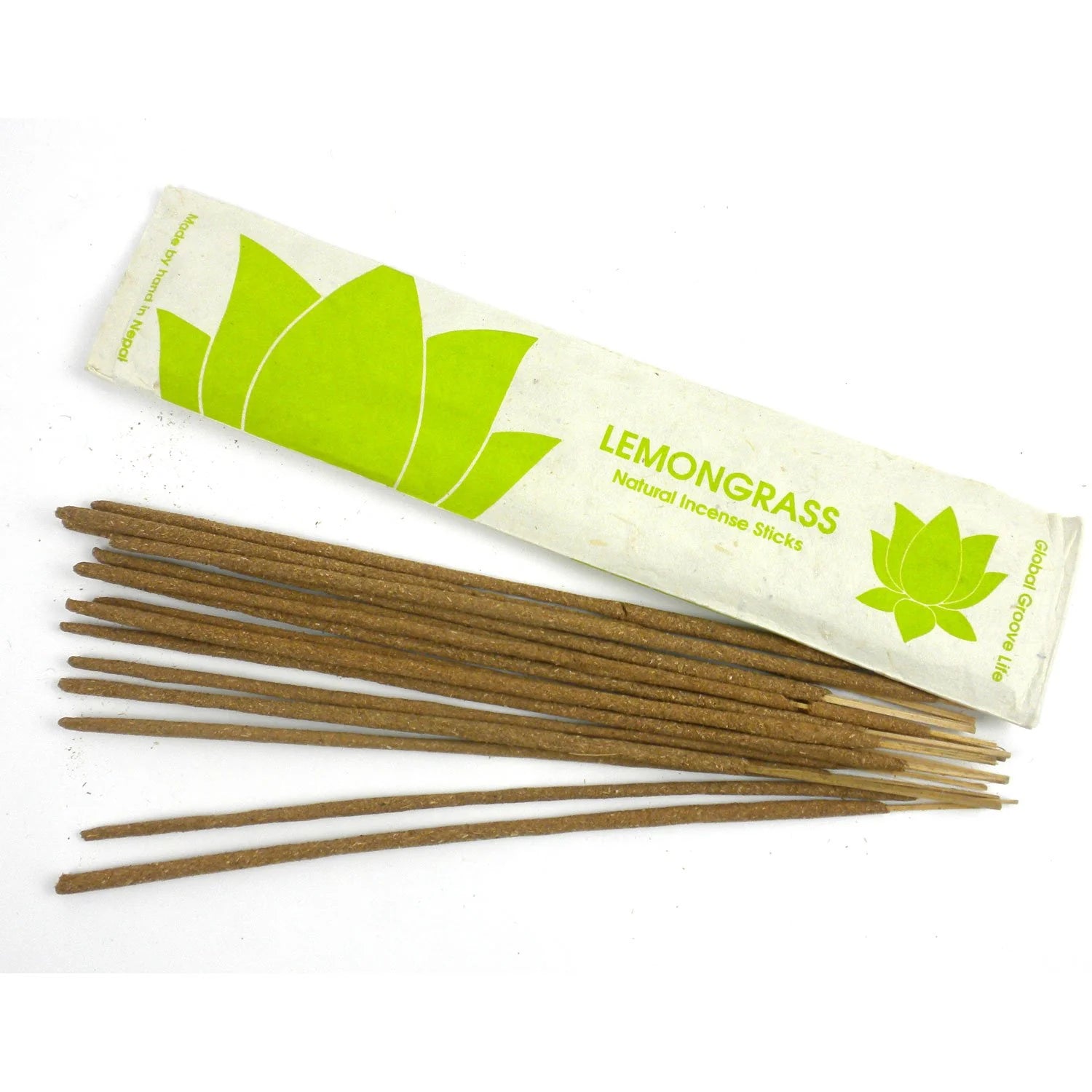
Match the scent profile to the kind of attention your work needs.
| Scent profile | Character | Best for |
|---|---|---|
| Citrus (lemongrass, orange, bergamot) | Light and lifting | Brainstorming and first drafts |
| Rosemary and juniper | Herbal and clean | Editing, admin, alert clear thinking |
| Sandalwood | Warm and grounding | Deep, extended sessions of an hour or more |
Sandalwood incense for grounding long studio sessions
Sandalwood incense earns its reputation for long sessions because it is warm and steady rather than sharp. When you are three hours into tracking or painting, a scent that does not demand attention helps you stay in the work instead of noticing the room.
What most guides miss is that sandalwood rewards repetition. The first time you burn it, it is just a pleasant smell. By the tenth session, the scent itself becomes a cue that says "we are in deep work now," and that association is where the focus benefit actually lives.
Our sandalwood incense sticks are hand-rolled in Nepal using traditional techniques and all-natural ingredients, with each stick burning for roughly 45 to 60 minutes. That burn time is a useful natural timer: light one at the start of a focused block and let it mark the session. For a broader selection, our sandalwood incense range is worth a look.
Rosemary incense for alert, clear-headed work
Rosemary-style scents suit the work that needs a clear head: editing, planning, learning a new part, or sorting through the admin side of a creative career. The profile is herbal and clean, which many people find easier to work beside than heavy floral or resinous scents.
A common mistake is burning rosemary-type incense in a small, closed room and ending up with a headache instead of clarity. Crack a window, keep the stick a metre or so from your face, and let the scent sit in the background. Subtlety is the point.
Our juniper incense sticks offer that clear, herbal character in a 100-count set, which makes them a low-risk way to test whether an alert profile suits your editing days.
Using incense for focus and productivity without the smoke problem
Smoke is the honest downside of stick incense, and most guides gloss over it. When smoke or sensitivity makes incense impractical, aromatherapy for focus can still begin with the same careful attention to scent, ventilation, and personal response.
Start with airflow. Burn in a room with a cracked window or a door open to a hallway, and keep the stick a comfortable distance from your face.
Burn duration matters more than most people expect. Check the stated burn time on the product before you light one at the start of a work block.
Watch out: burning incense in a sealed room with no airflow is the fastest way to turn a focus aid into a headache.
Pets and shared spaces deserve thought. Keep scented smoke out of rooms where pets live or sleep, and in a shared workspace, ask before introducing any scent.
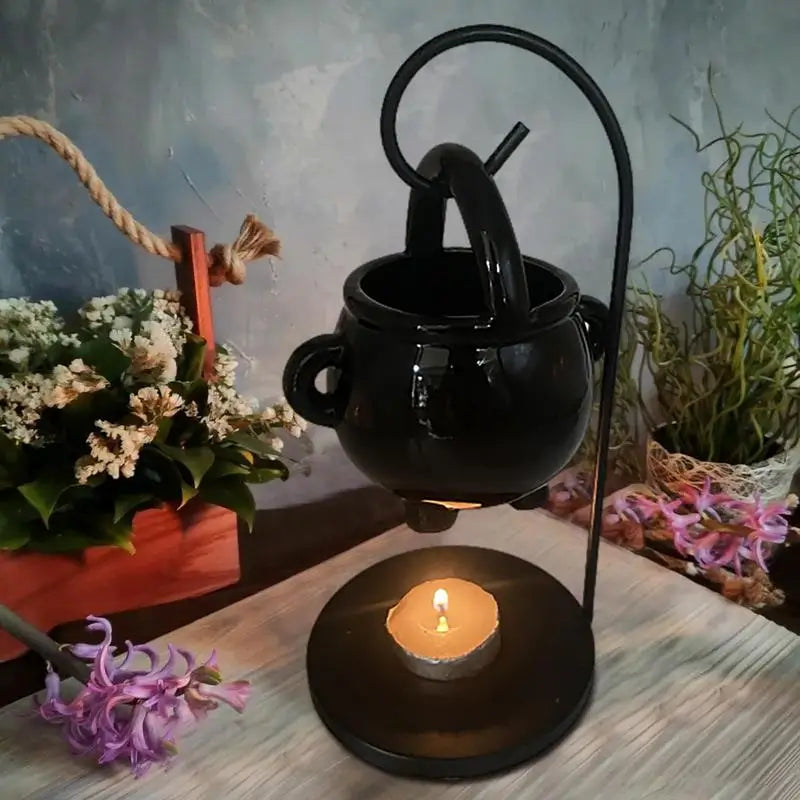
If smoke is a problem, you have good alternatives. A wax burner or aroma diffuser gives you scent without combustion. Our hanging cauldron wax burner is a decorative option for warming wax or oils, and it sidesteps the smoke issue entirely.
The practical rule is simple: if you notice irritation, stop and ventilate. A focus cue should make it easier to sit down, not harder to breathe.
Building a repeatable scent ritual for your creative practice
A scent ritual works because it is repeatable, not because it is elaborate. The goal is a short, consistent sequence that tells your brain the session has begun. Three steps, done the same way each time, are easier to keep than a complicated setup.
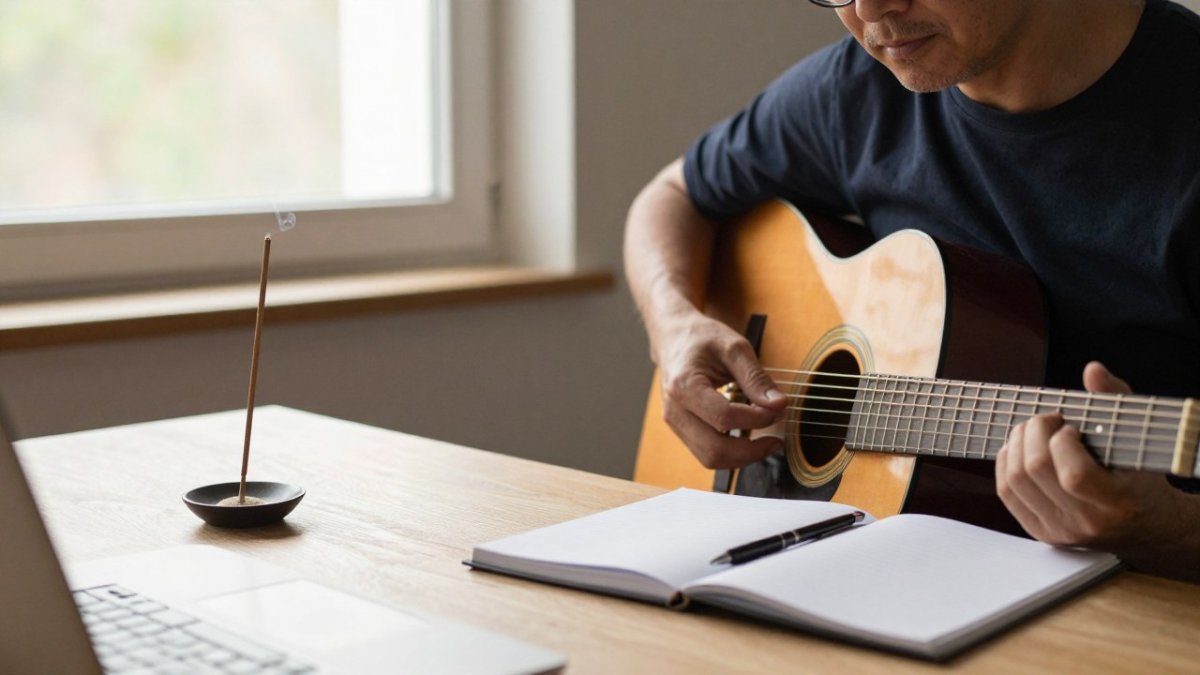
Here is a simple ritual to try:
- Clear the space. Tidy the desk, open a window, set out only what the session needs.
- Light one stick. Match the scent to the task: citrus for generating, rosemary-style for editing, sandalwood for deep work.
- Start within two minutes. Let the scent be the starting gun, not a reason to linger.
If you want a deeper structure for turning this into a month-long habit, our guide on how to build creative momentum walks through a 30-day plan. Pairing a scent cue with a wider rhythm is where sustainable creative focus comes from.
Choosing your first incense for creative focus
Most guides hand you a scent list and call it done. A better approach is to treat your first incense purchase as a small experiment: one scent, one task type, one two-week trial, and a simple way to judge whether it actually helps. That method matters more than any universal recommendation because scent preference and sensitivity vary widely from person to person.
Start by matching a scent profile to the kind of attention your work demands, then test it against your own response. Here is a practical sorting method:
- Generating and brainstorming: choose a light, citrus-forward profile such as lemongrass, orange, or bergamot. These tend to feel lifting without heaviness, which suits short idea sessions and first drafts.
- Editing, planning, and admin: choose a herbal, clean profile such as rosemary-style or juniper. Many creators find these easier to work beside during tasks that need alertness rather than open-ended imagination.
- Long deep-work blocks: choose a warm, grounding profile such as sandalwood. Its steady character is less likely to pull your attention away during extended sessions.
Before you commit to a full pack, check three things on the product: the ingredient list (look for plant names rather than vague "fragrance" or "perfume" wording), the burn time per stick, and whether the maker states how the incense is rolled or sourced. Our sandalwood incense sticks list hand-rolled construction and all-natural ingredients, and the lemongrass incense sticks and juniper incense sticks each come in 100-count sets, which keeps a two-week trial low-risk.
A simple two-week test works like this. Pick one scent and use it only for one task type, at the same time of day, in the same workspace setup. After each session, note two things in a line or two: how easy it was to start, and whether you noticed any unwanted effect such as headache, sneezing, or feeling foggy. If the scent becomes a reliable start cue and causes no irritation, keep it.
Watch out: testing several new scents in the same week muddies the result, because you will not know which one helped or which one caused a reaction. Change one variable at a time.
If you have asthma, allergies, migraine triggers, or fragrance sensitivity, consider starting with a diffuser or a wax warmer instead of burning incense. The goal is a repeatable cue, not a particular product.
Frequently Asked Questions
What incense helps with creativity?
Citrus-forward scents, rosemary, and sandalwood come up most often for creative work. Citrus and rosemary tend to feel bright and alerting, which suits brainstorming and drafting. Sandalwood is warmer and more grounding, which helps when you need to sit with a piece for a long stretch. The honest answer is that scent preference matters more than any single recommendation: try two or three across a week of sessions and note which one you reach for again. The one you associate with focused work becomes your cue.
Does incense actually improve creativity or concentration, or is it just placebo?
The evidence is thinner than most incense articles suggest. Aromatherapy research on mood and attention exists, but studies are often small and rarely measure creative output directly. What incense reliably does is change your environment: it signals that work time has started and gives you a consistent cue. That ritual effect is real even when the chemistry claims are overstated. Treat incense as a focus habit rather than a performance enhancer, and you will judge it fairly.
How long should I burn incense during a creative session?
One stick is usually enough. The sticks in our catalog burn for roughly 45 to 60 minutes, which maps neatly onto a single focused block. Light it as you start, let it burn out on its own, and use that as your session timer. Avoid burning several back to back in a small room, and open a window or door while it burns. If you notice irritation in your eyes, nose, or throat, put it out and ventilate the room before continuing.
Which is better for focus, sandalwood incense or rosemary incense?
They serve different working modes. Many creators find rosemary-style scents suit tasks that need a sharper focus, and sandalwood-style scents suit longer sessions. Scent preference is personal. Many creators keep both and pick by the task. If you are buying your first, start with sandalwood for its versatility, then add rosemary when you need a sharper, more energizing cue for morning work.
